


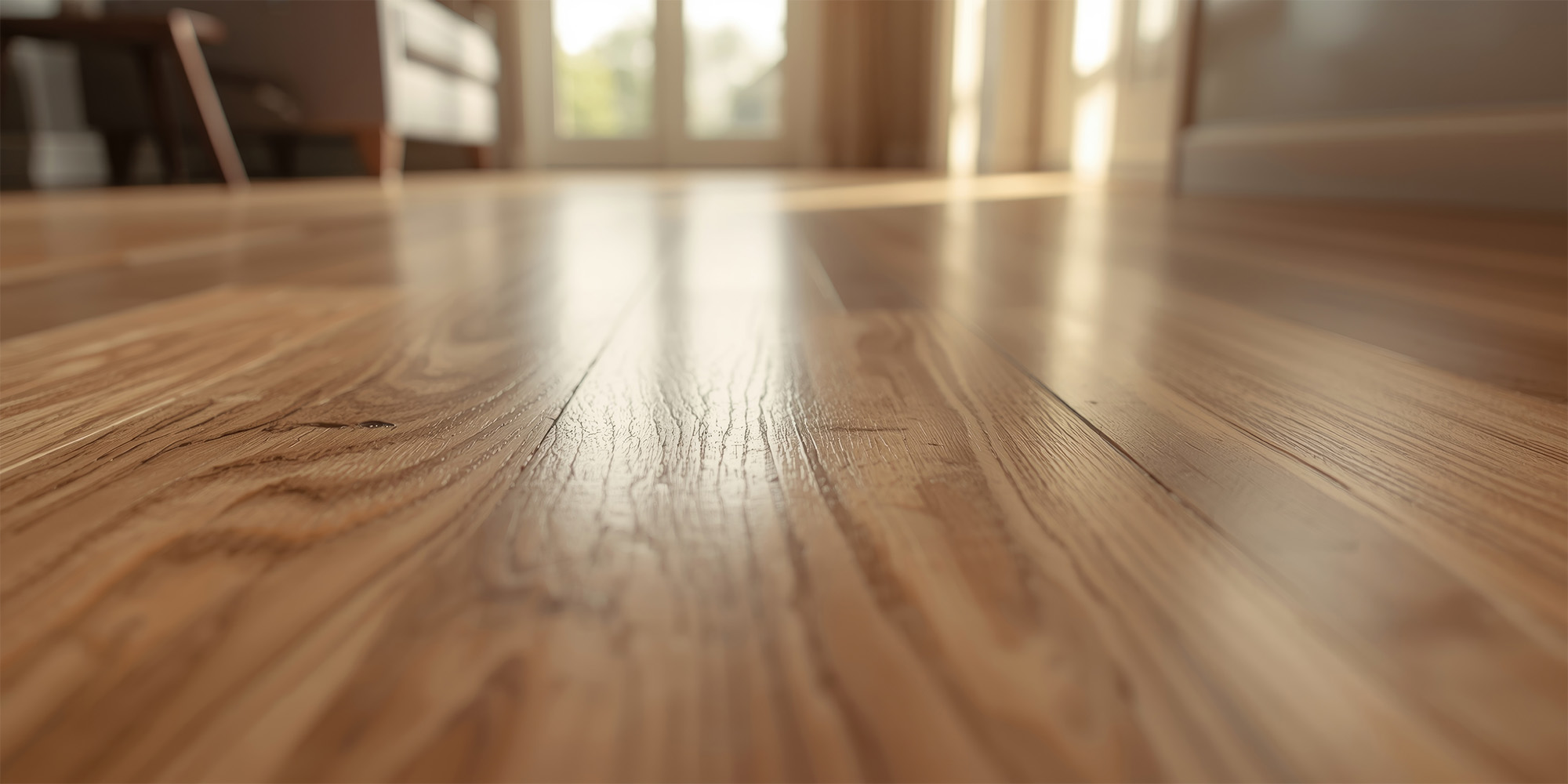
When planning a home renovation, homeowners often spend considerable time choosing the color and finish of their hardwood floors. Yet another decision can have just as much influence on the finished space: plank width. The difference between wide-plank and narrow-plank hardwood flooring can change how a room feels, how its proportions are perceived, and how successfully the floor complements the surrounding architecture.
For homeowners in Westwood, Park Ridge, and throughout Bergen County, New Jersey, plank width is worth considering early in the design process. Whether you are updating a traditional colonial, refreshing a contemporary interior, or restoring the character of an older home, the right hardwood layout can create a more intentional relationship between the floor, the furnishings, and the architecture.
Why Plank Width Makes Such a Difference
Hardwood flooring covers a substantial part of a room's visual field. Its width, grain, color, and direction naturally influence the way the eye moves through a space. Narrow planks create more individual lines across the floor, producing a detailed, rhythmic appearance. Wider planks reveal more of each board's natural grain and character, giving the surface a calmer, more expansive quality.
Neither option is universally better. The ideal choice depends on the room's dimensions, the home's architectural style, the amount of natural light, and the atmosphere you want to create. A floor that looks beautifully balanced in a large, open living room may feel too visually busy or too imposing in a smaller space.
Thinking about plank width as part of the overall interior design, rather than as an isolated product specification, helps create a result that feels cohesive from the moment you enter the room.
The Character of Wide-Plank Hardwood
Wide-plank hardwood is often chosen for its ability to showcase the natural personality of wood. Because each board covers more surface area, the grain patterns, tonal variations, and knots can become more noticeable. This creates a floor with visual depth and a sense of natural authenticity.
In an open-concept home, wider boards can help establish continuity between the living room, dining area, and kitchen, provided the selected flooring is appropriate for each space. Fewer visible seams can create a more uninterrupted appearance, allowing furniture, architectural details, and carefully selected finishes to take center stage.
Wide planks can work particularly well in interiors built around natural materials. Consider pairing warm-toned oak with linen upholstery, textured wool rugs, sculptural lighting, and furniture in muted earth tones. The floor becomes the grounding element that connects these different materials without making the room feel overly coordinated.
Wide boards can also complement modern and transitional interiors. A natural or lightly toned finish may emphasize the grain without competing with minimalist furniture, while a deeper brown finish can add richness to a room with clean architectural lines.
Where Narrow-Plank Hardwood Shines
Narrow-plank hardwood offers a different kind of appeal. Its repeated lines create rhythm and detail, making it a natural fit for interiors that benefit from a more traditional or finely layered appearance. Depending on the wood species, finish, and installation pattern, narrow boards can feel classic, tailored, or contemporary.
They can be particularly attractive in older homes where the flooring needs to relate to existing architectural details. Traditional millwork, paneled doors, built-in cabinetry, and detailed staircases can pair beautifully with a floor that has a more delicate visual pattern.
Narrow planks may also be worth considering in rooms with several architectural features. Rather than introducing large, prominent boards that compete with decorative elements, a narrower format can provide a quieter visual foundation.
However, plank width should not be selected based on room size alone. The overall effect depends on the combination of board dimensions, wood character, installation direction, finish, and the scale of the furnishings. Viewing samples in the actual room is more useful than relying on a simple rule about small rooms or large rooms.
How Plank Width Influences the Perception of Space
Flooring can influence how a room is perceived, although no plank width can literally change its dimensions. Wider boards may create a more open visual impression by reducing the number of seams across the floor. Narrower boards can introduce movement and detail that make a space feel more traditional and visually layered.
The direction of installation matters, too. Running boards along the length of a room can emphasize its proportions, while laying them across the shorter dimension may draw attention to the room's width. In hallways and connecting spaces, the direction of the boards can affect how naturally the flooring leads the eye from one area to another.
In an open-plan interior, it is important to consider how the boards will meet doorways, transitions, and adjoining rooms. A thoughtful layout can create continuity without making the floor feel repetitive. A professional assessment of the space can help determine which direction and plank format are most appropriate.
Matching Plank Width to Your Interior Design Style
For a contemporary interior, wide planks with a restrained finish can provide a clean backdrop for sculptural furniture, simple silhouettes, and large windows. Natural wood tones help soften minimalist spaces, while a matte or low-sheen appearance can emphasize texture without creating excessive glare.
In a traditional home, narrower boards or a carefully selected wider plank can both work, depending on the existing architecture. The goal is not to follow a rigid rule but to create a relationship between the flooring and the home's established character. Classic furniture, detailed trim, and warm wall colors may benefit from a finish that feels connected to the architecture rather than dramatically disconnected from it.
Transitional interiors offer flexibility. Wide-plank flooring in a natural oak tone can complement both traditional cabinetry and modern furniture. A restrained finish and balanced color palette can connect old and new elements without forcing the room into one design category.
For interior designers, plank width can also help establish the visual hierarchy of a room. If the furniture, artwork, and architectural details are expressive, a quieter floor may provide balance. If the room is intentionally simple, the grain and scale of the hardwood can supply the character that the rest of the design leaves understated.
Do Not Overlook Wood Species and Grain
Plank width is only one part of the decision. The wood species and the natural variation within each board influence the final appearance just as strongly. Oak, for example, is valued for its visible grain and versatility across many interior styles. Other wood species can offer different color characteristics, grain patterns, and levels of visual movement.
In wider boards, the natural grain and character of the wood may become more prominent. That can be an advantage when you want a floor with an organic, expressive appearance. If you prefer a more uniform look, ask to see samples that represent the expected range of variation within the selected product.
Color also deserves careful attention. A floor viewed under showroom lighting may look different in a room with north-facing windows, warm artificial lighting, or extensive afternoon sun. Compare samples alongside cabinetry, paint colors, rugs, and upholstery whenever possible. This is especially important when the flooring will connect multiple rooms with different lighting conditions.
Choosing the Right Finish for the Plank Format
The finish affects how the wood reflects light and how prominently its grain appears. A lower-sheen finish can provide a more understated appearance, while a glossier surface may reflect more light and make the finish itself more noticeable. The best choice depends on the look you want and the practical requirements of the household.
Texture, color, and sheen should be evaluated together. A wide plank with strong grain and a dramatic color can become the dominant feature in a room. A similar plank in a softer tone and lower sheen may feel much more subtle. Narrow boards can likewise look traditional or contemporary depending on the finish and surrounding materials.
When evaluating samples, consider how the floor will look in daylight and at night. Look at it from different angles, and imagine the effect of furniture, area rugs, and changing seasonal light. These simple steps can help you avoid choosing a floor based on a single showroom impression.
When Existing Hardwood Deserves a Second Look
If your home already has hardwood flooring, replacing it may not be the only way to achieve a refreshed appearance. The existing boards may have a useful width, attractive grain, or a character that is difficult to reproduce with new materials. Depending on the floor's condition and construction, professional refinishing may offer an opportunity to update the color and finish while retaining the original flooring.
Refinishing is not appropriate for every floor. The condition of the boards, the remaining thickness of the wear layer, previous sanding, moisture damage, and the type of flooring all affect what is possible. A professional evaluation can help establish whether refinishing is a realistic option or whether replacement is more appropriate.
Learn more about available styles through Floor & Home Inc.'s hardwood flooring collection. If you are considering a new installation or need help assessing existing floors, you can also contact Floor & Home Inc. to discuss your project.
Make Plank Width Part of the Design Plan
The most successful hardwood floors are chosen in relation to the home rather than by following a trend in isolation. Wide planks can showcase natural grain and create a quieter visual field, while narrow planks can add rhythm and a tailored sense of detail. Both can look exceptional when their proportions, finish, and installation direction work with the room's architecture.
For homeowners and design professionals in Westwood, Park Ridge, and Bergen County, the best starting point is to consider the complete interior: the natural light, furniture scale, architectural details, and atmosphere the finished space should communicate. By evaluating these elements together, you can select hardwood flooring that feels deliberate, balanced, and suited to the home for years to come.


