


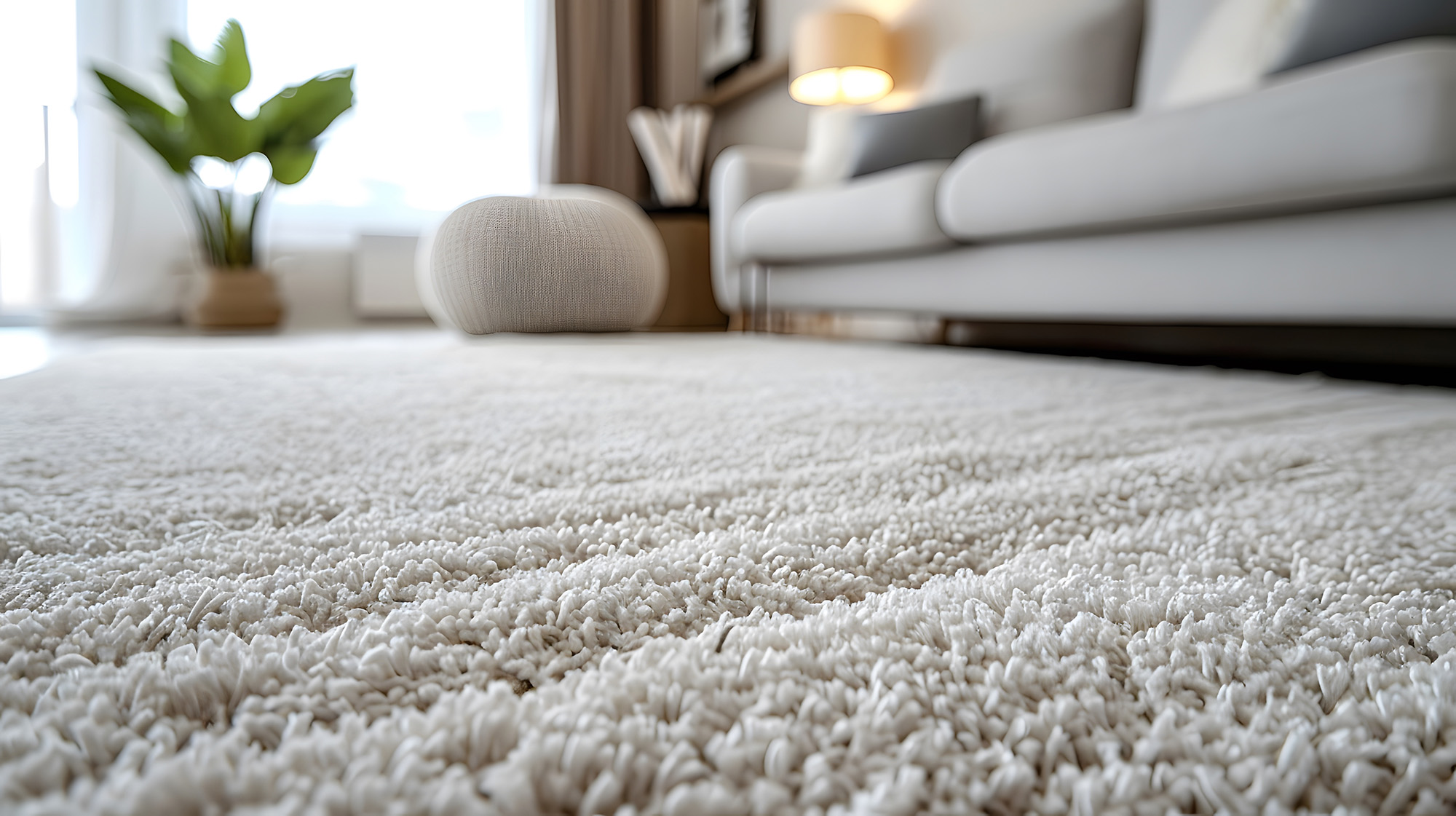
Minimalist interiors are often defined by restraint. Clean lines, carefully edited furnishings, subtle colors, and uncluttered spaces create a sense of calm. Yet when every surface is smooth and every color is neutral, a room can sometimes feel unfinished rather than inviting. The solution is not necessarily to introduce more decoration. Often, it is to introduce a more thoughtful use of texture.
Wool carpet offers an opportunity to bring warmth, softness, and visual depth into contemporary interiors without disrupting their simplicity. Its natural fibers, varied pile structures, and understated color possibilities can help a room feel considered and comfortable while maintaining a sophisticated design language.
For interior designers and homeowners in Westwood, Park Ridge, and Bergen County, New Jersey, wool carpet can be more than a practical flooring choice. It can become a foundational material that connects furniture, architectural finishes, and decorative details into a coherent composition.
Why Texture Matters in Minimalist Design
Minimalism is not simply about using fewer objects. It is about making each element count. When a room contains relatively few colors, patterns, or decorative accessories, the qualities of its materials become more noticeable. The grain of wood, the weave of upholstery, the finish of cabinetry, and the texture beneath the feet all contribute to the overall experience.
A room built around smooth painted walls, glass, metal, and streamlined furniture may benefit from the softness of carpet. Rather than competing with the architecture, a textured floor covering can introduce a tactile contrast that makes the space feel more balanced.
This is particularly useful in interiors where the palette is deliberately restrained. Warm white walls, pale oak furniture, neutral upholstery, and simple window treatments can create an elegant foundation, but they may need variation in texture to avoid appearing flat. Wool carpet can add that variation without introducing a strong pattern or a new dominant color.
The goal is to create contrast through material rather than clutter. A softly textured carpet can make a room feel more layered while allowing its architecture and furnishings to remain the focus.
What Makes Wool Different as a Design Material?
Wool is valued for its natural fiber structure and its ability to be used in a variety of carpet constructions. Depending on the yarn, pile, density, and finishing, wool carpet can have a smooth, tailored appearance or a more visibly textured surface. This range gives designers considerable flexibility when specifying carpet for different interior styles.
Some wool carpets feature a refined, closely textured surface that suits formal or contemporary rooms. Others have a more pronounced loop, a sculpted pattern, or a subtle variation in pile height that introduces movement. The right choice depends on how much visual interest the room needs and how the carpet will interact with other materials.
Wool's natural variations can also contribute to a sense of depth. Rather than appearing perfectly flat, some constructions show subtle changes in tone as light moves across the surface. This effect can be particularly appealing in rooms that use a limited color palette and rely on material quality to create interest.
Wool is not automatically the best option for every space, and performance depends on the particular carpet construction and how the room is used. However, when natural texture and a refined appearance are important design goals, it is worth considering alongside other flooring options.
Use Tonal Layers Instead of High Contrast
One approach to contemporary interiors is to work within a family of related colors. Rather than combining sharply contrasting shades, a designer might use warm ivory, oatmeal, sand, taupe, and muted brown across different surfaces. The variation comes from the materials themselves rather than from dramatic changes in color.
Wool carpet can be a useful foundation for this strategy. A textured neutral carpet can connect pale walls with slightly deeper upholstery, natural wood furniture, and warm metallic accents. The room remains visually calm, but the different surfaces prevent it from feeling one-dimensional.
For example, imagine a living room with soft white walls, a natural oak coffee table, a sculptural sofa in a warm neutral fabric, and understated artwork. A wool carpet in a related shade can help anchor the furniture while introducing a tactile layer beneath it. The result can feel richer than a room in which every surface has a similar smooth finish.
Designers should compare physical samples whenever possible. Neutral colors are especially sensitive to undertones and lighting. A carpet that appears beige in one environment may look pink, gray, or yellow in another. Comparing it against upholstery, paint, and wood samples helps establish a more cohesive palette.
Choose Pile and Texture With Intention
The surface structure of a carpet can change the mood of a room as much as its color. A low, tailored pile often supports a precise and understated interior. A more pronounced texture can soften clean architectural lines and create a relaxed atmosphere. Neither approach is inherently more luxurious; the right decision depends on the project's goals.
In a formal sitting room, a closely textured wool carpet may complement refined furniture and carefully composed artwork. In a bedroom, a softer-looking surface can reinforce the sense of comfort and quiet. In a reading room or private study, a subtle pattern may introduce interest without overwhelming bookshelves, artwork, or architectural details.
Scale matters, too. A large room can accommodate a more noticeable carpet texture, while a small room may benefit from a surface that does not compete with other details. The pattern should relate to the scale of the furniture and the overall visual complexity of the interior.
Before making a selection, consider how the carpet will look from standing height as well as when viewed closely. A sample that seems richly textured in the hand may appear much more subtle across an entire room. Whenever possible, evaluate a larger sample and view it under the lighting conditions of the intended space.
Let Wool Carpet Connect Wood, Stone, and Upholstery
Contemporary interiors frequently combine several materials: hardwood floors, stone surfaces, metal accents, glass, painted millwork, and upholstered furniture. These materials can look beautiful individually, but they need a visual relationship to feel intentional together.
Wool carpet can provide a soft transition between harder surfaces and more tactile furnishings. In a bedroom, it can complement a wood bed frame and natural linen bedding. In a sitting room, it can soften the relationship between a hardwood floor and a substantial upholstered sofa. In a private office, it can create a warmer foundation beneath a desk and seating arrangement.
The important consideration is balance. If the wood has strong grain, the upholstery has a pronounced weave, and the artwork contains an energetic pattern, a quieter carpet may help the room feel composed. If the furniture and architectural finishes are very simple, a more expressive carpet texture can supply the missing dimension.
For interior designers, a useful approach is to select one or two materials as the primary visual features, then use the remaining surfaces to support them. Wool does not need to dominate the room to make a meaningful contribution. Sometimes its greatest value is the way it allows other materials to look more deliberate.
Use Area Rugs to Define Zones Without Adding Walls
In open-plan homes, defining separate functions can be challenging when the living room, dining area, and kitchen share one continuous space. Furniture arrangement helps, but flooring treatments can also establish visual boundaries.
A wool area rug can define a seating arrangement, distinguish a reading corner, or create a sense of purpose around a desk. Because the rug introduces a different texture and color field, it can identify a zone without interrupting the flow of the room with a physical partition.
Scale is critical. In a living room, the rug should relate to the seating arrangement rather than appearing like a small island in the center of the floor. Depending on the layout, the front legs of the main seating pieces may rest on the rug, or the rug may accommodate the entire arrangement. The appropriate approach depends on the furniture dimensions and the desired composition.
For designers, a rug can also help repeat colors found elsewhere in the room. A subtle thread of a wall color, an upholstery tone, or a shade found in artwork can connect otherwise separate elements. This is often more effective than matching every item exactly.
Consider Wool for Bedrooms and Quiet Retreats
Bedrooms are especially suited to a design approach that prioritizes softness, comfort, and visual calm. Wool carpet can contribute to a layered atmosphere, particularly when combined with natural fabrics, subdued colors, and warm lighting.
A neutral wool carpet can create continuity beneath the bed and surrounding furniture, allowing the bedding, headboard, and window treatments to provide the main decorative interest. A more textured construction can add subtle character without requiring a bold pattern.
When choosing carpet for a bedroom, consider furniture placement, door clearance, maintenance requirements, and the room's daily use. Carpet construction and pile can influence how the surface feels and how it performs over time. Ask about the characteristics of the specific product rather than relying on general assumptions about all wool carpets.
Designers may also find wool useful when a project needs to balance a clean aesthetic with a sense of warmth. In rooms with large windows, simple furniture, and minimal ornamentation, a textured carpet can prevent the overall effect from becoming too stark.
Build a More Thoughtful Material Palette
A successful interior is rarely defined by a single finish. It is the relationship between the materials that makes the design feel complete. Wool carpet can be particularly effective when its color, texture, and scale are selected as part of a broader material palette.
Begin by identifying the fixed elements of the room, such as wood flooring in adjacent spaces, cabinetry, wall finishes, and stone. Then consider the movable elements, including sofas, chairs, rugs, curtains, and decorative accessories. The carpet should support the relationship between these pieces rather than compete with all of them at once.
For a restrained interior, subtle contrast often works better than exact matching. A carpet that is slightly warmer or more textured than the surrounding finishes can add depth. A highly patterned surface may be appropriate when the rest of the room is quiet, but it requires more careful coordination.
Maintenance should be part of the material discussion as well. Wool carpet can require specific care, and spills should be addressed according to the manufacturer's guidance. Placement, household activity, and the chosen construction all influence whether a particular product is appropriate for the project.
Explore Wool Carpet Options for Your Next Project
For interior designers, wool carpet offers a way to introduce material richness without relying on excessive decoration. Its natural texture, range of constructions, and compatibility with wood, linen, and other finishes make it a versatile option for contemporary and transitional interiors.
Homeowners can use the same principles when refreshing a room: consider the texture of the materials, compare undertones in the actual space, and choose a carpet that complements the room's proportions and purpose. A thoughtful selection can bring warmth and visual continuity to an interior while preserving its original design intent.
Explore Floor & Home Inc.'s carpet collection to consider options for your home or design project. To discuss product selection and your flooring goals, contact Floor & Home Inc..
A Softer Approach to Contemporary Luxury
Luxury in a contemporary interior does not have to depend on bold colors, elaborate patterns, or a large number of decorative objects. It can emerge from the thoughtful combination of materials, the way light moves across a surface, and the comfort a room provides in everyday use.
Wool carpet can contribute to that experience through texture, tonal variation, and a natural sense of warmth. For projects in Westwood, Park Ridge, and throughout Bergen County, it is worth considering not simply as a floor covering, but as part of the material language that gives an interior its identity.


