


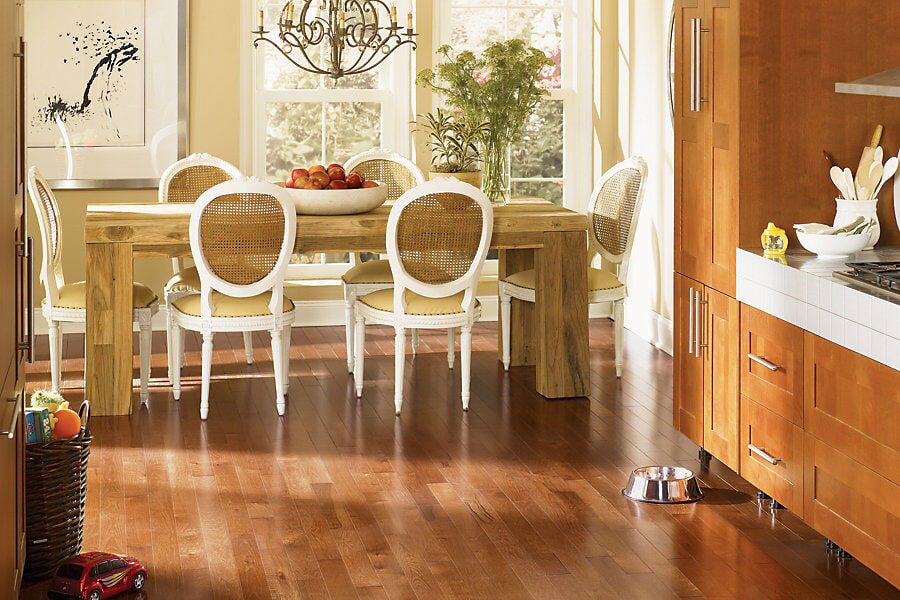
Luxury in interior design is not always about adding more. Sometimes it is about choosing fewer materials and choosing them well. A beautifully selected hardwood floor can create exactly that kind of quiet sophistication. It does not need an elaborate pattern or an oversized decorative statement. Natural grain, thoughtful color, appropriate plank proportions, and a well-chosen finish can create an interior that feels considered from the ground up.
This is one reason hardwood remains such an important material for interior designers. At Floor & Home Inc., serving homeowners from locations in Westwood and Park Ridge, NJ, the focus can begin with the qualities that make wood distinctive rather than simply following the latest flooring trend. View hardwood flooring options and consider how the right floor can elevate an entire interior.
Quiet Luxury Starts Underfoot
The phrase “quiet luxury” is often associated with clothing, furniture, and architecture, but the idea applies beautifully to flooring. It is the difference between a room that looks decorated and one that looks thoughtfully composed.
Hardwood can achieve this because it naturally contains variation. The grain creates visual interest. Subtle shifts in tone prevent the surface from looking flat. The material has enough character to stand on its own without requiring excessive decoration.
Instead of asking how dramatic the floor should be, ask whether it looks believable, balanced, and appropriate to the architecture.
That approach often produces a more sophisticated result.
Luxury Is Not the Same as Dark
Dark hardwood floors have long been associated with elegant interiors, but sophistication does not require a deep color. Lighter hardwood can be equally refined when its grain, finish, and surrounding materials are carefully considered.
A lighter floor can create an airy foundation for contemporary furniture and natural fabrics. A medium-toned wood can provide warmth without overwhelming the room. A deeper tone can create drama and contrast.
The choice should depend on the design story.
Think about the walls, cabinetry, furniture, textiles, and natural light. If several elements are already dark, a lighter floor may provide balance. If the room is filled with pale surfaces, a richer wood can create grounding and depth.
Why Natural Variation Looks More Sophisticated Than Perfect Repetition
There is something visually compelling about a material that does not repeat perfectly. Hardwood's natural variation gives the eye small details to discover without turning the floor into a pattern.
Grain direction, knots, color shifts, and subtle texture can make a floor feel authentic. This is especially valuable in high-end interiors where the goal is often to create depth without obvious decoration.
A perfectly uniform floor may initially appear clean, but natural variation can give a space greater visual longevity. As the room evolves, the floor continues to work because it contains complexity without depending on a single design trend.
Plank Proportions Can Make a Room Feel More Intentional
Interior designers know that proportion is one of the foundations of good design. Flooring is no exception.
The width of hardwood planks changes the rhythm of the room. Wider boards can produce a more expansive and modern appearance. More traditional proportions can create a greater sense of repetition and classic rhythm.
Consider the scale of the furniture as well. A room with substantial architectural elements and large furniture may feel balanced with broader floorboards. A smaller interior may benefit from a flooring scale that does not overpower its proportions.
The floor should feel appropriately sized for the room rather than selected independently of it.
The Finish Should Support the Wood, Not Hide It
One of the most elegant hardwood floors is often the one where the finish does not call too much attention to itself. Instead of making the surface look artificial or overly reflective, the finish can support the natural qualities of the wood.
Sheen affects the way light travels across the room. A high-gloss appearance can create a more formal visual effect, while a lower sheen can allow grain and texture to feel more understated.
The ideal finish depends on the desired aesthetic, the wood itself, and the way the room is used. What matters is that the finish is treated as part of the design rather than an afterthought.
Hardwood Can Make Other Materials Look Better
A great hardwood floor does not need to compete with other materials. It can make them look better.
Natural stone, painted cabinetry, metal accents, linen, leather, glass, and upholstery can all interact beautifully with wood because hardwood provides an organic element within the composition.
This makes it particularly valuable in interiors that combine several different textures. Wood can soften hard architectural materials and provide warmth against cooler finishes.
For interior designers, this flexibility is one of hardwood's greatest strengths. It can act as a bridge between materials that might otherwise feel disconnected.
The Most Expensive-Looking Rooms Often Have Restraint
A room can become less sophisticated when every surface tries to be the focal point. Statement lighting, dramatic furniture, bold artwork, patterned textiles, distinctive cabinetry, and expressive flooring can all be beautiful individually. Together, however, they can compete.
Hardwood gives designers an opportunity to practice restraint.
A naturally beautiful floor can provide enough character that other elements do not need to work as hard. Instead of adding another pattern, the designer can allow the grain to provide movement.
Instead of choosing an overly dramatic floor color, a nuanced tone can create depth.
The result can feel expensive precisely because it does not appear to be trying to prove anything.
Think Long-Term When Choosing the Foundation
Trends move quickly. Flooring does not. That difference matters.
A hardwood floor should ideally remain compatible with multiple future design directions. A homeowner may change furniture, repaint walls, update lighting, or redesign a kitchen years after the floor is installed. A balanced hardwood selection can accommodate those changes.
This is one reason natural materials continue to have such strong appeal. They can adapt without losing their identity.
The Floor Should Make the Room Feel Finished
When the right hardwood is selected, the effect is not necessarily dramatic. Instead, the room simply feels complete. Furniture seems more grounded. The architecture feels connected. Natural light has something to interact with. Other materials appear more intentional.
That is the quiet power of a well-designed hardwood floor.
For homeowners and interior designers throughout Bergen County, NJ, Floor & Home Inc. can help you explore hardwood flooring with attention to the details that make the difference: wood character, color, proportion, finish, and how the floor interacts with the rest of the interior. When you are ready to create a foundation that can support your design for years to come, contact Floor & Home Inc. and discover how the right hardwood flooring can bring quiet sophistication to your next project.


