


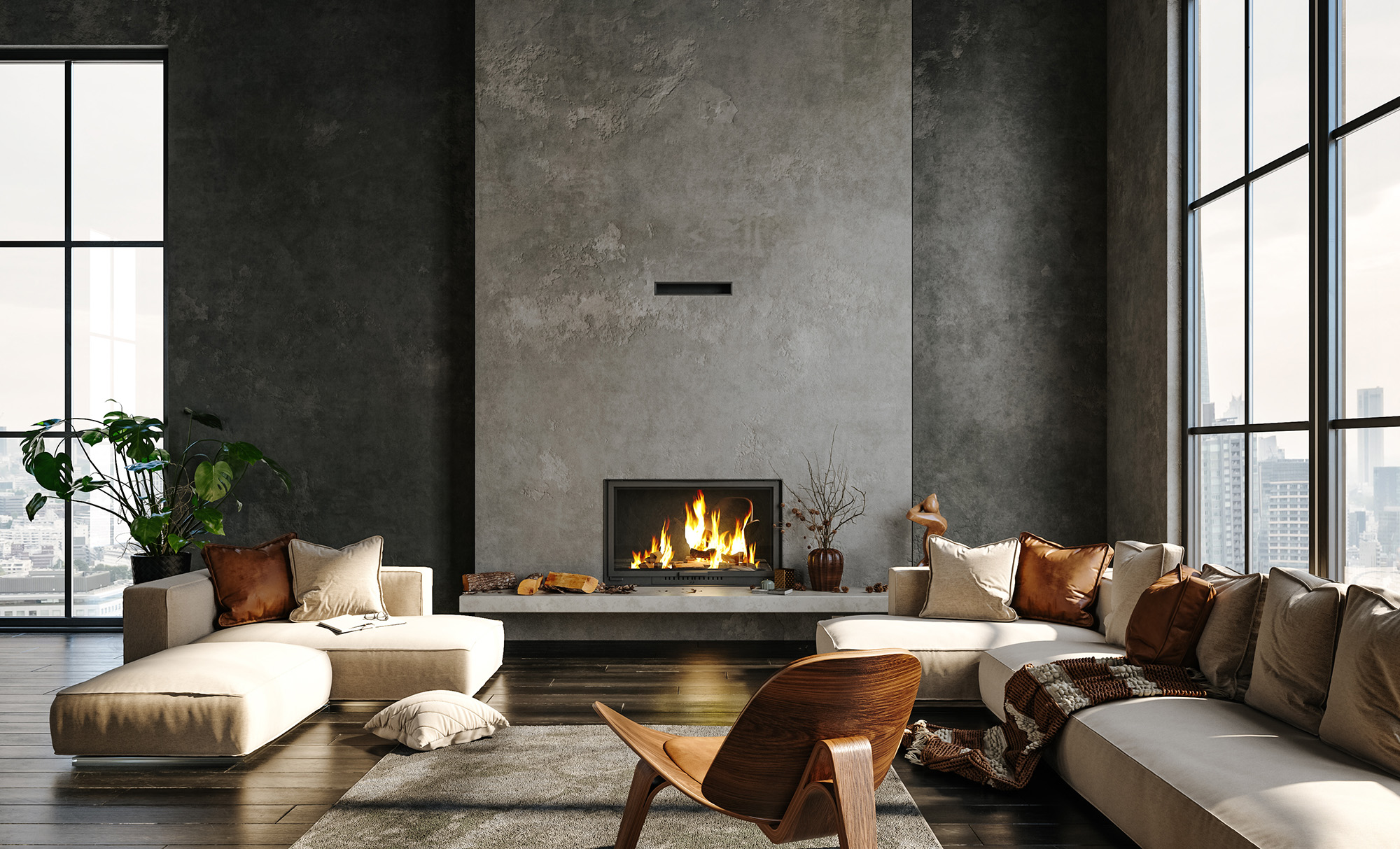
A room's most memorable feature is not always its furniture. It may be a fireplace framed by built-in cabinetry, a wall of windows, a custom media center, or a carefully designed feature wall. These architectural elements naturally attract attention, which makes the flooring decision especially important. The floor needs to complement the focal point without competing with it or making the room feel visually disconnected.
Luxury vinyl flooring offers homeowners a range of wood-inspired appearances and practical options for creating a cohesive interior. For homeowners in Westwood, Park Ridge, and throughout Bergen County, New Jersey, it can be worth considering when updating living rooms, family rooms, and other spaces where design and everyday functionality need to work together.
The key is to select flooring in relation to the room's permanent features. Color, plank pattern, surface texture, layout, and transitions can all influence whether the finished space feels coordinated or crowded.
Begin With the Room's Strongest Visual Feature
Before choosing a luxury vinyl floor, identify the elements that will draw the eye first. A fireplace surround, a dramatic stone wall, dark built-ins, or an expansive view may already establish the room's visual character. The flooring should support that feature rather than introduce an unrelated focal point.
If the fireplace has prominent veining, strong color variation, or a detailed surround, a floor with a relatively restrained grain pattern may create a better balance. If the room has a simple fireplace and understated cabinetry, a wood-look floor with more visible character may contribute warmth and interest.
This does not mean the floor and focal wall must match. In fact, matching every material too closely can make a room feel flat. The goal is to create a relationship between the surfaces through compatible undertones, appropriate contrast, and a consistent design direction.
Take photographs of the room and collect samples of the major materials before making a selection. Comparing the flooring against the fireplace finish, wall color, and built-ins can reveal combinations that are more successful than evaluating each product independently.
Coordinate Wood-Look Flooring With Built-In Cabinetry
Built-in cabinets often occupy a large portion of a living room or family room. Their color and visual weight can influence the entire space, especially when they surround a fireplace or media center. Luxury vinyl flooring with a wood-inspired appearance can help connect the cabinetry with the rest of the interior.
When the cabinets are painted white or a light neutral, several flooring directions may work. A natural wood tone can introduce warmth, while a medium brown can provide definition. The best option depends on the cabinet undertones, the wall color, and the amount of contrast you want to establish.
Dark cabinetry may pair well with a lighter or medium-toned floor when the goal is to keep the room from feeling too heavy. However, the contrast should still feel intentional. A floor with strong orange undertones may not work as well with cabinetry that has a cooler appearance, even if the colors seem different enough at first glance.
Wood-look flooring does not need to imitate the exact color of nearby wood furniture. A coordinated range of tones can look more natural than a room in which every wood surface is nearly identical. Focus on whether the undertones and overall warmth work together.
Choose a Floor That Supports Your Fireplace Design
Fireplaces can introduce a wide range of materials, from painted brick and traditional stone to smooth plaster, dark tile surrounds, or contemporary metal details. Each creates a different visual effect, and the flooring should relate to the fireplace without overwhelming it.
A traditional fireplace with detailed millwork may work well with a floor that has a classic wood appearance and restrained grain. A contemporary fireplace with simple lines may support a cleaner, more uniform floor design. In either case, the relationship between the floor's color and the fireplace surround matters more than following a strict rule about which material belongs with which style.
Pay attention to the transition between the flooring and the fireplace hearth or surround. The finished edge should look deliberate and should be planned according to the specific materials, installation requirements, and applicable safety considerations. Luxury vinyl should not be assumed to be suitable for direct exposure to heat; follow the flooring manufacturer's guidance and local requirements around fireplaces and heating appliances.
If the fireplace is the dominant feature, a quieter floor can provide a visual pause. If the fireplace is relatively simple, a floor with more visible grain may introduce additional character. The best result is the one in which the architectural elements feel connected rather than competing for attention.
Understand the Difference Between Color and Grain
Luxury vinyl flooring products can vary in both color and printed wood pattern. Two options with similar brown tones may have very different appearances because one features pronounced knots and grain variation while the other looks more uniform. This distinction can be especially noticeable across a large, open floor.
A room with a bold feature wall, patterned upholstery, or substantial built-ins may benefit from a more restrained plank design. A simpler interior can accommodate more visible grain without feeling busy. Think about the combined effect of the floor, the wall finishes, the furnishings, and the decorative accessories.
Consider the scale of the room as well. A strongly varied pattern can become a major visual element across a large living area. In a smaller room, the same pattern may feel more concentrated. Viewing a sample in context is therefore more reliable than judging a single plank in isolation.
When possible, review multiple planks or a larger display. A single piece cannot show the full variation of a product, and the repeated pattern across the room may look different from what you expect. Ask how the product's design variation will appear over a larger installation.
Plan Plank Direction and Room Transitions
The direction of the planks can influence how the floor connects to the architecture. Running the boards along the length of a room may emphasize its proportions, while a different direction may work better with the main entrance, window arrangement, or adjoining spaces.
In open-plan homes, transitions deserve special attention. If a living room connects to a dining area, hallway, or kitchen, the flooring layout should be planned with the full sequence in mind. Consistent direction can help create visual continuity, while a carefully considered transition can define separate areas without making the floor feel interrupted.
Doorways, closets, stairs, and changes in floor height may require specific transition solutions. These details should be addressed before installation rather than left until the last moment. The appropriate method depends on the product, the subfloor, the room layout, and the manufacturer's installation requirements.
Plank direction should not be selected solely by habit. The room's shape, natural light, existing construction, and installation requirements all matter. Planning the layout in advance can help reduce awkward cuts and create a more polished result.
Consider Lighting Before Selecting a Color
Natural and artificial lighting can change how luxury vinyl flooring appears. A floor that looks neutral in a showroom may appear warmer in a room with warm light bulbs or cooler beneath daylight from a shaded window. Nearby wall colors and large furnishings can influence the perception of the floor as well.
Rooms with large windows may reveal more variation in the plank pattern as the light changes throughout the day. Rooms with less natural light may benefit from a finish that helps maintain the intended atmosphere, although no single color guarantees that a room will look larger or brighter.
Place samples in the room and review them at different times of day. Compare them with the fireplace surround, built-ins, paint, and furniture. If the flooring connects several spaces, evaluate it in each area rather than assuming that the lighting will be identical throughout the home.
It is also useful to examine the floor from different angles. Surface texture and printed grain may appear more prominent from one direction than another. A larger sample can help you understand how the product interacts with light before committing to a full installation.
Balance Visual Appeal With Everyday Use
Living rooms and family rooms often need to accommodate several activities. The same space may be used for entertaining guests, watching television, playing with children, relaxing with pets, or moving furniture for different occasions. Flooring selection should reflect these practical demands as well as the desired design.
Luxury vinyl products vary in construction, wear layer, installation method, and manufacturer requirements. When comparing options, ask about the product's intended applications, cleaning guidance, warranty conditions, and suitability for the room. Do not assume every luxury vinyl product has identical performance characteristics.
Furniture protection and maintenance still matter. Follow the manufacturer's recommendations for cleaning products, floor protectors, rolling loads, and exposure to sunlight or heat. Even a durable floor can be damaged by unsuitable cleaning methods, dragging heavy furniture, or conditions outside the product's intended use.
For a room centered on a fireplace or built-in feature, think about the furniture arrangement before finalizing the flooring. Large rugs, sofa legs, media consoles, and accent chairs can cover a significant portion of the floor. The visible flooring should work with those items rather than being chosen as if the room will remain empty.
Use Area Rugs to Connect the Floor and Furniture
An area rug can create a bridge between luxury vinyl flooring and the furniture placed above it. It may repeat a tone from the cabinetry, echo the color of the fireplace surround, or introduce a contrasting texture that softens the room's harder surfaces.
For example, a natural wood-look floor paired with a warm neutral sofa might benefit from a rug that includes both colors. This creates a visual relationship between the flooring and the furniture without requiring them to match exactly. A patterned rug can also introduce character when the floor and built-ins are relatively understated.
Scale is important. A rug that is too small can make a seating arrangement feel disconnected, while an appropriately sized rug can help organize the furniture and define the room's main activity area. Consider the placement of sofa legs, chairs, tables, and walking paths when selecting dimensions.
Use a rug pad only if it is compatible with the flooring manufacturer's recommendations. Some backing materials can react with certain floor finishes, so confirm compatibility before placing the rug. This small precaution can help protect the surface while allowing the rug to serve its design purpose.
Know When Luxury Vinyl Is the Right Fit
Luxury vinyl can be an appealing option when homeowners want a wood-inspired appearance and a product suited to the intended room's practical demands. It may be worth considering for a family room, a frequently used living area, or a renovation where the design calls for continuity between multiple spaces.
However, product suitability depends on the specific conditions. Subfloor preparation, moisture conditions, temperature variation, installation requirements, and manufacturer guidance all need to be considered. A product described as water-resistant or waterproof should not be treated as a solution for every moisture problem, and it does not eliminate the need to address underlying water intrusion.
If your project involves several connected rooms, a fireplace, or existing flooring that changes height, ask for guidance before choosing the final product. Understanding the practical details early can help prevent design decisions that are difficult to execute during installation.
Explore Floor & Home Inc.'s luxury vinyl flooring collection to compare available styles. For assistance with your project and questions about flooring options, contact Floor & Home Inc..
Create a Room That Feels Connected
A well-designed room brings its permanent architectural features and movable furnishings together in a way that feels natural. Luxury vinyl flooring can support that goal when its color, grain pattern, and layout are selected in relation to the fireplace, built-ins, lighting, and furniture.
For homeowners in Westwood, Park Ridge, and throughout Bergen County, the best starting point is to evaluate the room as a whole. Identify its focal point, compare physical samples against the existing materials, and consider how the flooring will look once the space is furnished. A thoughtful choice can create a cohesive foundation that supports the room's character while meeting the needs of everyday life.


