


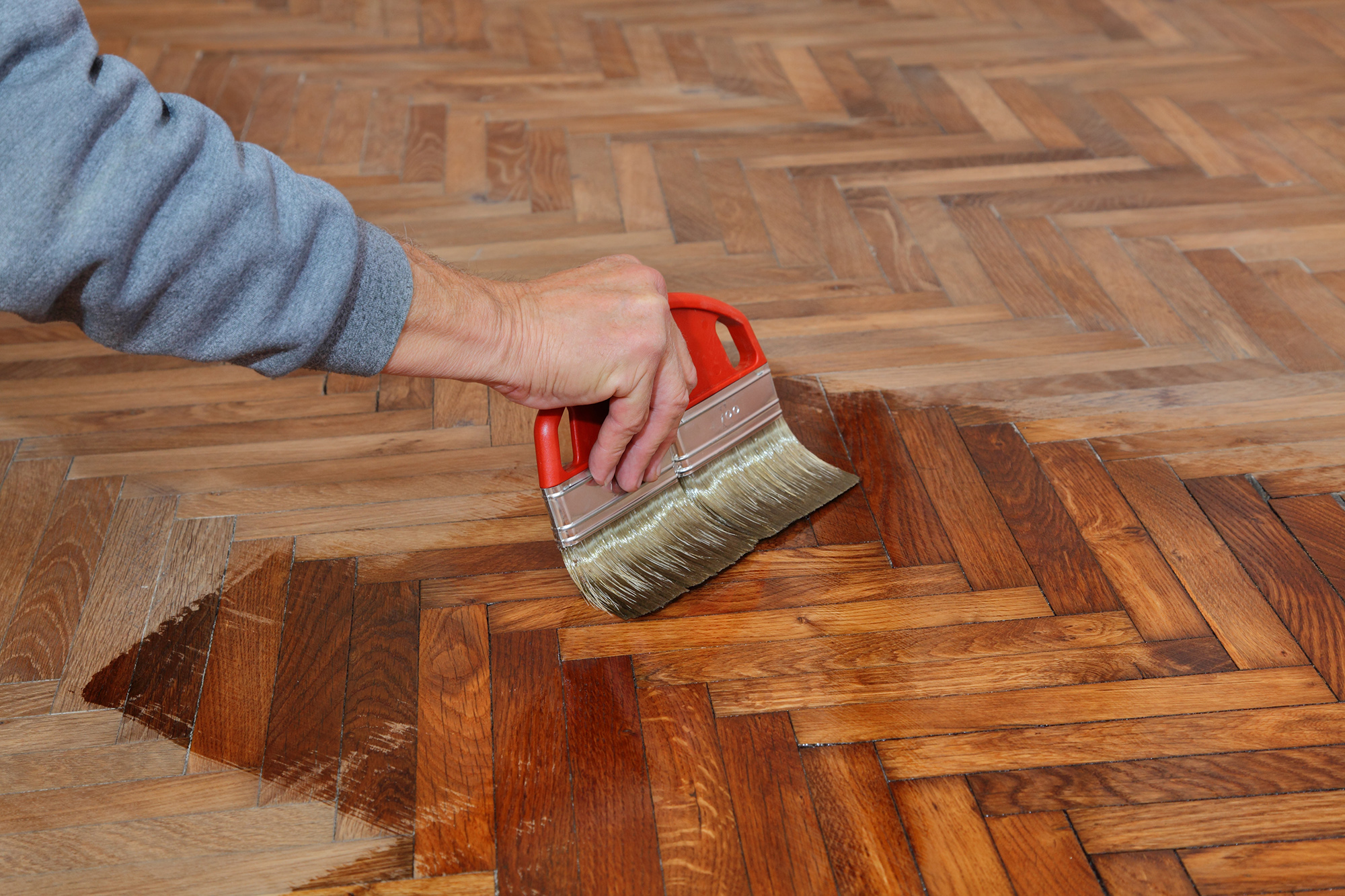
Choosing a new stain color is one of the most exciting parts of a hardwood floor refinishing project. A familiar floor can take on an entirely different personality with a warmer brown, a softer natural tone, or a deeper, more dramatic finish. Yet stain selection is also one of the easiest stages of a renovation to underestimate. A color that looks perfect on a small sample or in a showroom may appear quite different when applied across an entire room.
For homeowners in Westwood, Park Ridge, and throughout Bergen County, New Jersey, thoughtful stain selection can help connect existing hardwood floors with updated furniture, cabinetry, wall colors, and lighting. Instead of treating refinishing as a simple color change, consider it an opportunity to coordinate the floor with the entire interior.
The most successful result comes from evaluating the wood itself, understanding how light affects color, and comparing realistic samples before making a final decision.
Why Hardwood Stain Looks Different From One Home to Another
Hardwood stain does not create the same result on every floor. The wood species, grain pattern, age, previous finish, and condition of the boards can all influence the finished appearance. Even boards in the same room may absorb stain differently, creating natural variations that contribute to the character of the floor.
Oak, for example, has a distinctive grain that may remain prominent beneath many stain colors. A darker stain can emphasize that grain and create strong contrast, while a lighter or more natural treatment can keep the overall effect softer. Other species may respond differently, so a color selected from a generic chart should not be treated as a guarantee of the final result.
Existing floors also have a history. Previous sanding, old coatings, repairs, sun exposure, and localized wear may influence the appearance after refinishing. This is why evaluating the actual floor is more reliable than selecting a color based on a photograph alone.
Begin With the Atmosphere You Want to Create
Before comparing stain names, decide how you want the room to feel. Are you aiming for a light and relaxed interior, a warm traditional living space, or a sophisticated room with deeper colors and strong contrast? Defining the desired atmosphere can narrow the options and make the selection process more manageable.
Light, natural-looking finishes can support interiors that emphasize simplicity, organic materials, and a sense of openness. They often work well with linen upholstery, textured wool rugs, pale walls, and furniture made from natural materials. However, a light finish is not automatically the best choice for every home. The undertones of the wood and the colors surrounding it still need to work together.
Medium brown stains can provide warmth and versatility. They may complement traditional furniture, neutral upholstery, natural stone accents, and a wide range of cabinetry colors. For homeowners who want a noticeable update without a dramatic shift in the room's overall character, a medium tone can be a useful starting point.
Dark stains can introduce visual depth and a formal, dramatic quality. They may work beautifully with lighter walls, tailored furnishings, and carefully placed lighting. Because darker surfaces can make dust, certain scratches, and everyday debris more noticeable depending on the finish and lighting, it is important to consider maintenance expectations as well as appearance.
Understand Undertones Before You Choose a Color
Two stains can look similar at first glance but create very different interiors because of their undertones. Some wood finishes appear golden or yellow, others lean red or orange, and others have cooler brown or gray characteristics. These subtle differences can determine whether a floor feels harmonious with the rest of the room.
Start by identifying the dominant undertones in fixed elements such as cabinetry, trim, stone, and existing furniture. If the room contains warm woodwork, a stain with a compatible warmth may create a more connected appearance. In a room with cooler colors and restrained finishes, a floor with a strong orange or red cast may feel more prominent than intended.
That does not mean every finish must match. Contrasting tones can be effective when they are deliberate. The key is to distinguish between an intentional contrast and a combination that looks accidental. For example, a medium brown floor can complement pale cabinetry when the undertones relate to other materials in the room.
For designers working on a renovation, it can help to assemble a physical palette that includes the proposed stain, paint, upholstery, rug fibers, and cabinet samples. Looking at these elements together often reveals undertone conflicts that are difficult to identify when materials are evaluated separately.
Why Natural Light Changes the Result
Natural light is one of the most important factors in evaluating stain samples. A room with large south-facing windows may receive strong daylight for much of the day, while a north-facing room may have cooler, more consistent light. Trees, neighboring buildings, window treatments, and the orientation of the home can also affect how a floor appears.
Artificial lighting adds another variable. Warm bulbs can make some finishes appear richer or more golden, while cooler lighting may emphasize different undertones. The floor may look one way in the morning, another in late afternoon, and different again after the lamps are turned on.
For this reason, stain samples should be evaluated in the room where the refinished floor will be installed. Whenever possible, observe them at several times of day and under the lighting conditions the room normally uses. A decision made from a single photograph or a quick showroom visit may overlook these changes.
It is also worth considering how rugs and furniture will affect the visible floor area. A large area rug may cover much of the room, leaving the stain color visible mainly around its perimeter. In another space, the floor may remain exposed across a broad area. The same finish can have a different visual impact in each situation.
Test Samples on the Actual Hardwood
One of the most useful steps in stain selection is to review sample applications on the actual wood whenever the project allows it. A small sample helps reveal how the wood responds to a particular color and how the finish interacts with the grain. It can also make it easier to compare alternatives that appear similar on a printed chart.
Ask how the sample will represent the proposed refinishing process. The preparation of the wood, the application method, and the protective finish can all affect the final appearance. If you are considering several colors, compare them under similar conditions so that the differences are meaningful.
Do not judge a sample solely by whether it looks attractive on its own. Place it alongside the room's wall color, cabinets, and important furnishings. A stain that seems beautiful in isolation may overwhelm the design, while a more understated option may create a stronger overall result.
Remember that a small test area cannot show every variation that may appear across the entire floor. Natural wood is not a perfectly uniform surface, and the final result may include differences from board to board. The goal is to establish a realistic expectation, not to promise that every plank will look identical.
Should You Choose a Matte, Satin, or Glossier Finish?
Stain color and surface sheen are separate decisions, but they influence one another. A matte or lower-sheen finish can give hardwood a restrained appearance, allowing the wood's natural texture to remain the focus. A higher-sheen finish reflects more light and may create a more polished visual effect.
Sheen can also influence how visible surface marks appear under particular lighting conditions. Reflections from windows and overhead lights may draw attention to small imperfections on some glossy surfaces. A lower-sheen finish can soften those reflections, although it does not make a floor immune to scratches, dents, or wear.
Consider the room's purpose and the overall design. A formal living room may benefit from a more polished look, while a relaxed family space may suit a subtler finish. There is no universal rule that one sheen is more durable than another in every product system; the specific finish, maintenance requirements, and use of the room all matter.
Coordinate the Floor With Rugs and Furniture
Hardwood is often the largest continuous material in a room, but it rarely exists alone. Area rugs, sofas, dining tables, curtains, artwork, and cabinetry all influence how the floor is perceived. A stain should complement these elements without requiring every item to match perfectly.
In a room with a patterned rug, a relatively restrained floor finish can prevent the overall palette from becoming too busy. If the furnishings are minimal, the grain and tone of the hardwood can provide warmth and character. Wool rugs can be especially useful for adding softness, texture, and color while preserving the visibility of the wood around them.
Designers should also consider how much of the floor will remain visible after furnishing. A finish selected for a completely empty room may feel more dominant once a large rug and substantial furniture are in place. Conversely, a dramatic floor may provide the visual anchor needed in a room with simple furnishings.
When Refinishing Is Better Than Replacing
If your existing hardwood is structurally sound, refinishing may offer a way to update its appearance without replacing the entire floor. Depending on the floor's construction and condition, the process may remove surface wear and allow a new stain or finish to transform the room.
However, refinishing is not suitable for every situation. Deep water damage, loose boards, severe cupping, extensive repairs, or insufficient material for further sanding may require additional work or an alternative solution. Engineered hardwood also has specific limitations depending on its construction and remaining wear layer.
A professional assessment can help determine what is practical before you settle on a stain color. It is better to understand the condition and limitations of the existing floor early than to choose a finish that cannot be achieved reliably.
Explore Floor & Home Inc.'s hardwood floor refinishing services to learn more about refreshing existing floors. To discuss your home's condition, design goals, and potential next steps, contact Floor & Home Inc..
Make Your Final Decision With Confidence
The right stain color is not necessarily the most popular shade or the one that looks best in a staged photograph. It is the finish that works with your actual hardwood, the light in your home, and the materials that surround it. By considering undertones, testing realistic samples, and evaluating sheen alongside color, you can make a more informed decision.
For homeowners in Westwood, Park Ridge, and throughout Bergen County, hardwood floor refinishing can be an opportunity to rethink the atmosphere of a room while preserving the character of existing wood. A careful selection process helps ensure that the refreshed floor feels connected to the home rather than like an isolated renovation choice.


