


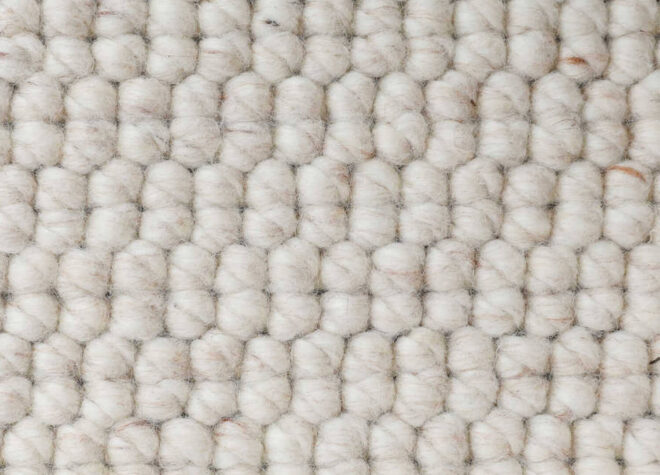
There is a difference between a room that has been furnished and a room that has been designed. The difference is often found in texture. Designers understand that a space can contain beautiful furniture, carefully chosen colors, and impressive architectural details and still feel flat if every surface has the same visual quality.
Wool carpet brings something particularly valuable to that conversation: natural texture. Its softness, visual depth, and organic character can give an interior a more layered and sophisticated appearance. For homeowners and interior designers in Westwood, NJ, Park Ridge, NJ, and throughout Bergen County, Floor & Home Inc. offers carpet options that can be considered not simply as a practical floor covering, but as part of a broader material palette. Explore carpet flooring options to discover how carpet can contribute to a more intentional interior.
Why Designers Keep Coming Back to Natural Materials
Interior design trends may change, but natural materials have a remarkable ability to remain relevant. There is something visually reassuring about materials that contain variation rather than appearing perfectly manufactured.
Wool is a strong example. Its natural fiber structure creates a texture that can feel richer and more dimensional than a completely flat surface. It can introduce softness without making the room feel visually casual.
This makes wool carpet particularly interesting for designers who want to build interiors around layered neutrals, natural woods, stone, linen, leather, and other tactile materials.
The goal is not to make every surface look the same. It is to create enough variation that the room feels complete.
Wool Carpet Has a Different Kind of Beauty
One of the most appealing qualities of wool is that its aesthetic does not depend on being perfectly uniform. The fiber can create subtle shifts in texture and light, giving the floor a softness that changes depending on where you stand.
This can be especially effective in rooms where the palette is intentionally restrained. When walls, furniture, and accessories are all within a similar color family, texture becomes one of the primary ways to create depth.
Instead of adding another color, a designer can add another tactile layer.
That is why wool carpet can work beautifully in sophisticated bedrooms, libraries, sitting rooms, offices, and other interiors where atmosphere matters as much as durability.
The Beauty of Wool Does Not Stop at Wall-to-Wall Carpet
Wool aesthetics can also influence how designers think about area rugs and runners. A rug does more than define a seating area. It can introduce softness, create visual boundaries, and establish a relationship between furniture and the floor.
Wool area rugs can bring natural texture into rooms with hard flooring, creating contrast between the underlying surface and the softer layer above it. This can be particularly effective with hardwood flooring, where the warmth of natural wood and the texture of wool can complement one another without competing.
Runners offer another opportunity. A thoughtfully selected wool runner can turn a hallway from a passageway into part of the home's design experience.
These pieces can be used to create rhythm throughout a home, allowing the same natural material language to appear in different spaces.
Texture Is the Secret Weapon of Neutral Interiors
Neutral interiors are not automatically boring. They become boring when every material has the same visual texture.
Imagine a room built entirely from similar beige surfaces. Now introduce wool carpet with subtle variation, a natural wood floor in an adjoining space, linen upholstery, a woven shade, and a textured rug. The colors may remain almost identical, but suddenly the room has depth.
That is the power of texture.
Wool can play a major role because it introduces tactile character without requiring a dramatic change in color. For designers working with sophisticated neutral palettes, this can be an extremely useful tool.
Wool and Wood Are a Natural Pair
Few flooring combinations create as much warmth as natural wood and wool. Hardwood provides linear structure and organic grain, while wool introduces softness and tactile variation.
The contrast is important. If everything in a room is hard and smooth, the environment can feel cold. If everything is soft and heavily textured, the space can lose definition.
Wood and wool balance one another.
A wool area rug can soften a hardwood living room without hiding the beauty of the floor completely. A wool runner can add comfort and visual interest to a wood hallway. The materials can be coordinated through tone rather than matched exactly.
Do Not Be Afraid of Subtle Color Variation
Wool carpet does not have to be a solid, perfectly uniform neutral to feel sophisticated. Subtle variation can actually make the surface more forgiving visually while creating additional depth.
Think about the difference between a completely flat color and a shade with tiny variations across the fiber. The latter can catch light differently and create a more organic appearance.
This can be particularly useful in large rooms, where an entirely uniform surface may feel visually empty. Small variations give the eye something to engage with without introducing an obvious pattern.
Runners Can Become Architectural Elements
Hallways are often treated as leftover spaces between rooms, but designers know they can be important transitional areas. A runner can change the experience of moving through a home.
A wool runner can visually lengthen a corridor, soften a staircase, introduce pattern, or connect colors used in surrounding rooms. Instead of being an accessory placed on top of the floor, it can become part of the architecture of the pathway.
This is especially effective when the runner's tones relate to the surrounding hardwood, wall colors, doors, or furnishings.
The result is a hallway that feels designed rather than merely functional.
Wool Gives Designers Another Layer to Work With
Interior design is ultimately about relationships between materials. Wood relates to metal. Stone relates to fabric. Paint relates to natural light. Furniture relates to architecture. Flooring relates to everything above it.
Wool provides another material with which to build those relationships.
Its natural appearance can support interiors ranging from classic to contemporary. It can be understated when the room already has strong features or become more noticeable when the rest of the palette is intentionally simple.
That flexibility is what makes it so interesting for design professionals. Wool is not tied to one decorating style.
Choose Carpet as a Material, Not Just a Color
When selecting carpet, it is tempting to focus almost entirely on color. But designers and homeowners should also consider texture, fiber, scale, lighting, furniture, and the overall material palette of the room.
Wool is especially worth considering when the goal is to create an interior that feels layered, natural, and tactile. The material can contribute something that a color swatch alone cannot communicate.
Look at carpet samples from different distances. View them in different lighting. Touch the fibers. Place them beside the materials already selected for the room.
The goal is to understand how the carpet participates in the entire design.
The Most Memorable Interiors Are Often the Most Tactile
A beautiful room should be more than something that photographs well. It should feel good to live in. Texture is a major part of that experience, and wool carpet offers a particularly natural way to introduce it.
Whether used wall-to-wall, as an area rug, or as a runner, wool can bring softness and visual depth to interiors that might otherwise feel overly hard or uniform. For homeowners and interior designers in Westwood, Park Ridge, and throughout Bergen County, NJ, Floor & Home Inc. can help you explore carpet as an actual design material rather than simply a surface beneath your feet.
When you are ready to bring more natural texture and character into your next interior, contact Floor & Home Inc. and explore how the right carpet, rug, or runner can become one of the details that makes the entire space feel more thoughtfully designed.


