


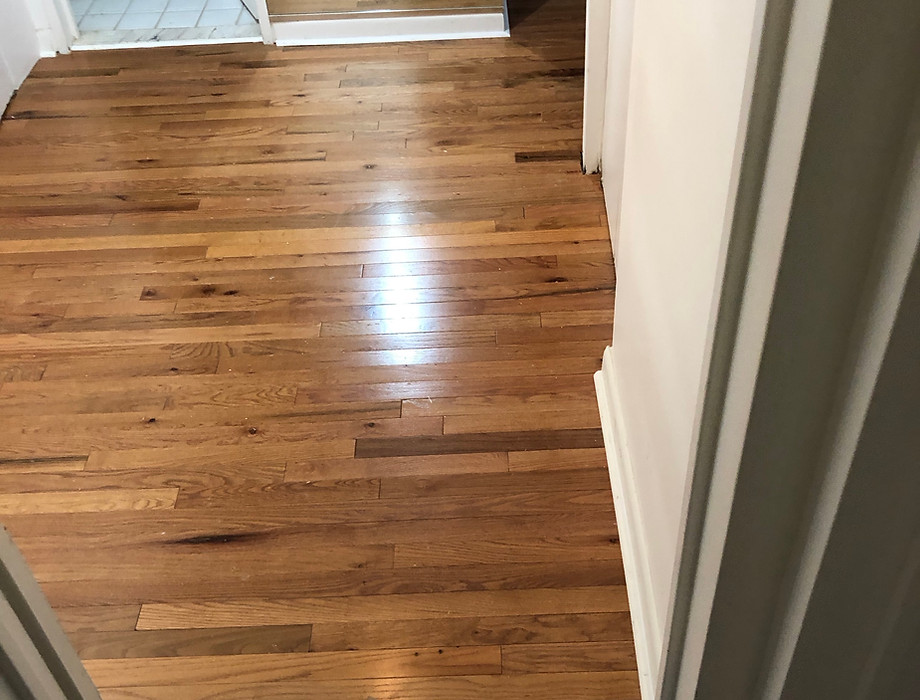
There is a particular moment in an older home when someone looks at a worn hardwood floor and thinks, “It is time to replace it.” Scratches have accumulated. The finish has lost its original character.
High-traffic areas look different from the rest of the room. Perhaps the color feels dated or the surface has simply stopped looking as impressive as it once did.
But hardwood has an advantage that many other flooring materials do not: sometimes the floor you want is already underneath the wear.
Hardwood refinishing can give an existing floor a completely different appearance without removing the material that has been part of the home for years. For homeowners in Westwood, NJ, Park Ridge, NJ, and throughout Bergen County, Floor & Home Inc. offers hardwood floor refinishing as an option worth considering before automatically choosing replacement.
Wear Does Not Always Mean Failure
A hardwood floor naturally records the life of a home. Foot traffic creates patterns. Furniture leaves marks. Sunlight can change the appearance of the wood. Finishes gradually lose their original sheen. Over years, these changes can make the floor appear tired.
But tired and unusable are not the same thing.
Because hardwood is a solid material rather than simply a surface coating, an existing floor may have more life in it than its current appearance suggests. Refinishing can address the surface and give the wood a renewed appearance, depending on the condition and construction of the floor.
This is why the first question should not always be, “What new floor should I install?” It can be, “What can be done with the floor I already have?”
Imagine Removing the Past Without Removing the Wood
One of the most appealing aspects of refinishing is the ability to change the visual direction of a room while retaining its existing hardwood.
A floor that once felt too dark may be updated toward a different finish. A surface that has become dull can regain depth and clarity. A room that looked dated can suddenly feel much more current simply because the floor has been renewed.
This can be particularly powerful during larger interior renovations. Homeowners sometimes replace perfectly serviceable hardwood because its existing finish no longer works with their new design.
Refinishing may offer another route: change the appearance of the floor rather than removing the foundation entirely.
For designers, this creates another layer of flexibility. An existing floor does not necessarily lock a room into its previous aesthetic.
The Floor Carries the History of the House
Older hardwood can have a quality that is difficult to reproduce with a brand-new material. It has history. The natural variation may have become more visible with age, and the floor may have been part of countless everyday moments.
There is something appealing about preserving that history rather than automatically replacing it.
Refinishing does not necessarily mean erasing the character of an older floor. In many cases, the goal is to restore and refresh what is already there. The result can retain the sense that the flooring belongs to the house rather than looking like a newly installed element that arrived decades later.
For older homes, that distinction can be especially meaningful.
Refinishing Can Change the Relationship Between Floor and Furniture
Furniture styles evolve. A homeowner may replace traditional pieces with cleaner contemporary furniture. Cabinets may change. Walls may become lighter. Lighting may be updated. When those changes happen, an old hardwood finish can suddenly feel out of place even though the underlying floor is still beautiful.
Refinishing can help reconnect the floor to the new interior.
The goal is not necessarily to make the floor look dramatically different. Sometimes a subtle adjustment is enough. The right finish can allow the wood's natural character to work with new furniture instead of competing with it.
This is one reason hardwood refinishing can be an important consideration during a remodel. The floor does not have to remain visually tied to the design choices that existed when it was first installed.
Do Not Judge Hardwood by Its Worst Areas
High-traffic areas can make an entire floor appear worse than it actually is. Entry points, hallways, areas around kitchen workspaces, and frequently used pathways often show wear first.
When evaluating an existing floor, look at the overall condition rather than focusing only on the most damaged-looking section.
Ask whether the wear appears primarily related to the finish or whether there are deeper structural issues. Look for areas that may require more extensive attention. Consider the age and construction of the flooring.
A professional assessment can help determine whether refinishing is appropriate. Not every hardwood floor is a candidate for the same treatment, which is why evaluation matters before making a decision.
Refinishing Is Also a Design Opportunity
It is easy to think of refinishing as maintenance. But it can also be an opportunity to reconsider the aesthetic direction of the home.
The finish contributes to how light interacts with the wood. Sheen can influence whether the floor feels formal, understated, contemporary, or traditional. Color can change how the flooring relates to walls and furnishings.
That means refinishing should be approached as part restoration and part design.
Instead of simply trying to make the floor look “new,” think about what you want the room to look like after the work is complete. What furniture will be in the space? What color will the walls be? What atmosphere are you trying to create?
Why Designers Should Look Down Before Looking for Something New
Interior designers are constantly balancing aesthetics, material choices, client expectations, and the character of an existing home. An existing hardwood floor can sometimes be an asset hiding in plain sight.
Rather than automatically specifying a replacement, consider whether the existing material can be transformed. Preserving hardwood can maintain continuity with the architecture while allowing the rest of the design to evolve.
It can also create a more authentic feeling than introducing a completely new material into an older interior.
In renovation work, the most interesting design solution is not always the newest product. Sometimes it is the decision to reveal what was already there.
Know When Refinishing Is the Better Conversation
Refinishing is not the answer for every hardwood floor. Deep structural damage, severe wear, moisture problems, or flooring that does not have sufficient material available for refinishing can change the equation. A professional evaluation is important before deciding what approach makes sense.
But when an existing hardwood floor is fundamentally worth preserving, refinishing can offer something replacement cannot: the opportunity to keep the original material while giving the space a renewed appearance.
The Most Sustainable-Looking Choice May Be the Floor You Already Own
There is an obvious appeal to removing less and preserving more. An existing hardwood floor has already become part of the structure and story of the home. When refinishing can restore its appearance, the result can feel both practical and deeply personal.
For homeowners in Westwood, Park Ridge, and throughout Bergen County, NJ, Floor & Home Inc. can help you determine whether your hardwood deserves another look before you commit to replacement. If the floor beneath the scratches and worn finish still has the qualities you love, contact Floor & Home Inc. to discuss your hardwood refinishing project and discover what may be possible without starting over.


